
Bridal shower cookie cake. Chocolate with mint chips cookie. Chocolate cake cookies, Giant
[IMAGE1]
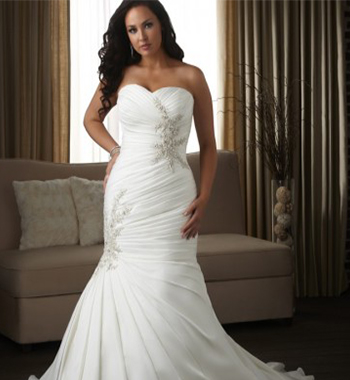
In Europe and North America, the typical attire for a bride is a formal dress and a veil. Usually, in the "white wedding" model, the bride's dress is bought specifically for the wedding, and is not in a style that could be worn for any subsequent events. Previously, until at least the middle of the 19th century, the bride generally wore her best dress, whatever color it was, or if the bride was well-off, she ordered a new dress in her favorite color and expected to wear it again.
Coolest Cake Ideas: Cinderella's castle cakes recipes

For first marriages in Western countries, a white wedding dress is usually worn, a tradition started by Queen Victoria, who wore a white court dress for her wedding. Through the earlier parts of the 20th century, Western etiquette prescribed that a white dress should not be worn for subsequent marriages, since the wearing of white was mistakenly regarded by some as an ancient symbol of virginity, despite the fact that wearing white is a fairly recent development in wedding traditions, and its origin has more to do with conspicuous consumption from an era when a white dress was luxurious, even prodigal, because of difficulties with laundering delicate clothes. Today, Western brides frequently wear white, cream, or ivory dresses for any number of marriages; the color of the dress is not a comment on the bride's sexual history. Outside of Western countries, brides most commonly wear national dress. White wedding dresses are particularly uncommon in Asian traditions, because white is the color of mourning and death in those cultures. In many Asian cultures, red is usual for brides, as this colour indicates vibrance and health and has over time been associated with brides. However, in modern times other colours may be worn, or Western styles preferred. Regardless of colour in most Asian cultures bridal clothes are highly decorative, often covered with embroidery, beading or gold. In some traditions brides may wear more than one outfit, this is true for example in Japan,[citation needed] parts of India, and, archaically, in parts of the Arab world.
Rustic Wedding Decorating Ideas eBay
Particular styles of jewelry are often associated with bridal wear, for example wedding rings in most Western cultures, or chura (red and white bangles) in Punjabi Sikh culture. Hindu brides are presented with a mangalsutra during the wedding ceremony, which has much of the same significance as a wedding ring in other parts of the world. Wedding jewellery has traditionally been used to demonstrate the value of the bride's dowry.

In addition to the gown, brides often wear a veil and carry a bouquet of flowers, a small heirloom such as a lucky coin, a prayer book, or other token. In Western countries, a bride may wear "something old, something new, something borrowed, and something blue"; a bridal purse (or money bag) is also common.
Image result for ways to decorate bundt cakes Bundt cake, Cake bridal, Mini bundt cakes

The term bride appears in combination with many words, some of which are obsolete. Thus "bridegroom" is a newly married man, and "bride-bell," "bride-banquet" are old equivalents of wedding-bells, wedding-breakfast. "Bridal" (from Bride-ale), originally the wedding-feast itself, has grown into a general descriptive adjective, the bridal ceremony. The bride-cake had its origin in the Roman confarreatio, an upper-class form of marriage, the essential features of whose ceremony were the eating by the couple of a cake made of salt, water and spelt flour, and the holding by the bride of three wheat-ears, a symbol of plenty.
Wine glasses and grapes cake Cake Decorating Pinterest Glasses, Cakes and Wine glass

The cake-eating went out of fashion, but the wheat ears survived. In the Middle Ages they were either worn or carried by the bride. Eventually it became the custom for the young girls to assemble outside the church porch and throw grains of wheat over the bride, and afterwards a scramble for the grains took place. In time the wheat-grains came to be cooked into thin dry biscuits, which were broken over the bride's head, as is the custom in Scotland today, an oatmeal cake being used. In Elizabeth's reign these biscuits began to take the form of small rectangular cakes made of eggs, milk, sugar, currants and spices. Every wedding guest had one at least, and the whole collection were thrown at the bride the instant she crossed the threshold. Those that lighted on her head or shoulders were most prized by the scramblers. At last these cakes became amalgamated into a large one that took on its full glories of almond paste and ornaments during Charles II's time. But even today in rural parishes, e.g. north Notts, wheat is thrown over the bridal couple with the cry "Bread for life and pudding for ever," expressive of a wish that the newly wed may be always affluent. The throwing of rice, a very ancient custom but one later than the wheat, is symbolical of the wish that the bridal may be fruitful.
Our Wedding Cake in 2019 50th anniversary party Wedding sheet cakes, Costco sheet cake

The bride-cup was the bowl or loving-cup in which the bridegroom pledged the bride, and she him. The custom of breaking this wine-cup, after the bridal couple had drained its contents, is common to both the Greek Christians and members of the Jewish faith. It is thrown against a wall or trodden under foot. The phrase "bride-cup" was also sometimes used of the bowl of spiced wine prepared at night for the bridal couple. Bride-favours, anciently called bride-lace, were at first pieces of gold, silk or other lace, used to bind up the sprigs of rosemary formerly worn at weddings. These took later the form of bunches of ribbons, which were at last metamorphosed into rosettes.
Hungarian bride's crate
With these simple, illustrated, step-by-step instructions and decorating ideas, you'll be able

The bride-wain, the wagon in which the bride was driven to her new home, gave its name to the weddings of any poor deserving couple, who drove a "wain" round the village, collecting small sums of money or articles of furniture towards their housekeeping. These were called bidding-weddings, or bid-ales, which were in the nature of "benefit" feasts. So general is still the custom of "bidding-weddings" in Wales, that printers usually keep the form of invitation in type. Sometimes as many as six hundred couples will walk in the bridal procession.
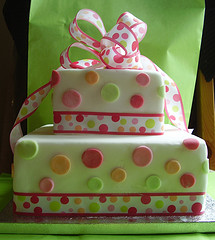
Wedding Shower Cake
The bride's wreath is a Christian substitute for the gilt coronet all Jewish brides wore. The crowning of the bride is still observed by the Russians, and the Calvinists of Holland and Switzerland. The wearing of orange blossoms is said to have started with the Saracens, who regarded them as emblems of fecundity. It was introduced into Europe by the Crusaders. The bride's veil is the modern form of the flammeum or large yellow veil that completely enveloped the Greek and Roman brides during the ceremony. Such a covering is still in use among the Jews and the Persians.
Bridal shower cookie cake. Chocolate with mint chips cookie. Chocolate cake cookies, Giant

inspiration for a romanitic outdoor Bridal shower Outdoor bridal showers, Garden bridal showers
[IMAGE1]
In Europe and North America, the typical attire for a bride is a formal dress and a veil. Usually, in the "white wedding" model, the bride's dress is bought specifically for the wedding, and is not in a style that could be worn for any subsequent events. Previously, until at least the middle of the 19th century, the bride generally wore her best dress, whatever color it was, or if the bride was well-off, she ordered a new dress in her favorite color and expected to wear it again.
Planning Your Breakfast At Tiffanys Wedding Shower Party, Here 25 Ideas To Copy Paper flower

For first marriages in Western countries, a white wedding dress is usually worn, a tradition started by Queen Victoria, who wore a white court dress for her wedding. Through the earlier parts of the 20th century, Western etiquette prescribed that a white dress should not be worn for subsequent marriages, since the wearing of white was mistakenly regarded by some as an ancient symbol of virginity, despite the fact that wearing white is a fairly recent development in wedding traditions, and its origin has more to do with conspicuous consumption from an era when a white dress was luxurious, even prodigal, because of difficulties with laundering delicate clothes. Today, Western brides frequently wear white, cream, or ivory dresses for any number of marriages; the color of the dress is not a comment on the bride's sexual history. Outside of Western countries, brides most commonly wear national dress. White wedding dresses are particularly uncommon in Asian traditions, because white is the color of mourning and death in those cultures. In many Asian cultures, red is usual for brides, as this colour indicates vibrance and health and has over time been associated with brides. However, in modern times other colours may be worn, or Western styles preferred. Regardless of colour in most Asian cultures bridal clothes are highly decorative, often covered with embroidery, beading or gold. In some traditions brides may wear more than one outfit, this is true for example in Japan,[citation needed] parts of India, and, archaically, in parts of the Arab world.
Easy DIY ideas for bridal shower favor decorations - YouTube

Particular styles of jewelry are often associated with bridal wear, for example wedding rings in most Western cultures, or chura (red and white bangles) in Punjabi Sikh culture. Hindu brides are presented with a mangalsutra during the wedding ceremony, which has much of the same significance as a wedding ring in other parts of the world. Wedding jewellery has traditionally been used to demonstrate the value of the bride's dowry.
In addition to the gown, brides often wear a veil and carry a bouquet of flowers, a small heirloom such as a lucky coin, a prayer book, or other token. In Western countries, a bride may wear "something old, something new, something borrowed, and something blue"; a bridal purse (or money bag) is also common.
Bridal Shower Ideas On A Budget Flower Arrangements 30+ Ideas Wedding reception table

The term bride appears in combination with many words, some of which are obsolete. Thus "bridegroom" is a newly married man, and "bride-bell," "bride-banquet" are old equivalents of wedding-bells, wedding-breakfast. "Bridal" (from Bride-ale), originally the wedding-feast itself, has grown into a general descriptive adjective, the bridal ceremony. The bride-cake had its origin in the Roman confarreatio, an upper-class form of marriage, the essential features of whose ceremony were the eating by the couple of a cake made of salt, water and spelt flour, and the holding by the bride of three wheat-ears, a symbol of plenty.
Planning Your Breakfast At Tiffanys Wedding Shower Party, Here 25 Ideas To Copy Paper flower
The cake-eating went out of fashion, but the wheat ears survived. In the Middle Ages they were either worn or carried by the bride. Eventually it became the custom for the young girls to assemble outside the church porch and throw grains of wheat over the bride, and afterwards a scramble for the grains took place. In time the wheat-grains came to be cooked into thin dry biscuits, which were broken over the bride's head, as is the custom in Scotland today, an oatmeal cake being used. In Elizabeth's reign these biscuits began to take the form of small rectangular cakes made of eggs, milk, sugar, currants and spices. Every wedding guest had one at least, and the whole collection were thrown at the bride the instant she crossed the threshold. Those that lighted on her head or shoulders were most prized by the scramblers. At last these cakes became amalgamated into a large one that took on its full glories of almond paste and ornaments during Charles II's time. But even today in rural parishes, e.g. north Notts, wheat is thrown over the bridal couple with the cry "Bread for life and pudding for ever," expressive of a wish that the newly wed may be always affluent. The throwing of rice, a very ancient custom but one later than the wheat, is symbolical of the wish that the bridal may be fruitful.
Oh One Fine Day: Beautiful Bridal Shower Ideas.

The bride-cup was the bowl or loving-cup in which the bridegroom pledged the bride, and she him. The custom of breaking this wine-cup, after the bridal couple had drained its contents, is common to both the Greek Christians and members of the Jewish faith. It is thrown against a wall or trodden under foot. The phrase "bride-cup" was also sometimes used of the bowl of spiced wine prepared at night for the bridal couple. Bride-favours, anciently called bride-lace, were at first pieces of gold, silk or other lace, used to bind up the sprigs of rosemary formerly worn at weddings. These took later the form of bunches of ribbons, which were at last metamorphosed into rosettes.
Hungarian bride's crate
Purple Bridal Shower Decorations Ideas my-projects (With images) Purple bridal shower, Bridal

The bride-wain, the wagon in which the bride was driven to her new home, gave its name to the weddings of any poor deserving couple, who drove a "wain" round the village, collecting small sums of money or articles of furniture towards their housekeeping. These were called bidding-weddings, or bid-ales, which were in the nature of "benefit" feasts. So general is still the custom of "bidding-weddings" in Wales, that printers usually keep the form of invitation in type. Sometimes as many as six hundred couples will walk in the bridal procession.
Pin on Photo ideas for wedding

The bride's wreath is a Christian substitute for the gilt coronet all Jewish brides wore. The crowning of the bride is still observed by the Russians, and the Calvinists of Holland and Switzerland. The wearing of orange blossoms is said to have started with the Saracens, who regarded them as emblems of fecundity. It was introduced into Europe by the Crusaders. The bride's veil is the modern form of the flammeum or large yellow veil that completely enveloped the Greek and Roman brides during the ceremony. Such a covering is still in use among the Jews and the Persians.
inspiration for a romanitic outdoor Bridal shower Outdoor bridal showers, Garden bridal showers
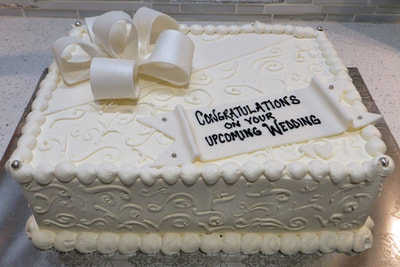
Bridal Shower Cakes Silver Spring, MD Cakes by Chris Furin
[IMAGE1]
In Europe and North America, the typical attire for a bride is a formal dress and a veil. Usually, in the "white wedding" model, the bride's dress is bought specifically for the wedding, and is not in a style that could be worn for any subsequent events. Previously, until at least the middle of the 19th century, the bride generally wore her best dress, whatever color it was, or if the bride was well-off, she ordered a new dress in her favorite color and expected to wear it again.
Bridal shower cake ideas - Afrikan Makoti Media
For first marriages in Western countries, a white wedding dress is usually worn, a tradition started by Queen Victoria, who wore a white court dress for her wedding. Through the earlier parts of the 20th century, Western etiquette prescribed that a white dress should not be worn for subsequent marriages, since the wearing of white was mistakenly regarded by some as an ancient symbol of virginity, despite the fact that wearing white is a fairly recent development in wedding traditions, and its origin has more to do with conspicuous consumption from an era when a white dress was luxurious, even prodigal, because of difficulties with laundering delicate clothes. Today, Western brides frequently wear white, cream, or ivory dresses for any number of marriages; the color of the dress is not a comment on the bride's sexual history. Outside of Western countries, brides most commonly wear national dress. White wedding dresses are particularly uncommon in Asian traditions, because white is the color of mourning and death in those cultures. In many Asian cultures, red is usual for brides, as this colour indicates vibrance and health and has over time been associated with brides. However, in modern times other colours may be worn, or Western styles preferred. Regardless of colour in most Asian cultures bridal clothes are highly decorative, often covered with embroidery, beading or gold. In some traditions brides may wear more than one outfit, this is true for example in Japan,[citation needed] parts of India, and, archaically, in parts of the Arab world.
Unique Wedding Cake Ideas Joy Turner
Particular styles of jewelry are often associated with bridal wear, for example wedding rings in most Western cultures, or chura (red and white bangles) in Punjabi Sikh culture. Hindu brides are presented with a mangalsutra during the wedding ceremony, which has much of the same significance as a wedding ring in other parts of the world. Wedding jewellery has traditionally been used to demonstrate the value of the bride's dowry.

In addition to the gown, brides often wear a veil and carry a bouquet of flowers, a small heirloom such as a lucky coin, a prayer book, or other token. In Western countries, a bride may wear "something old, something new, something borrowed, and something blue"; a bridal purse (or money bag) is also common.
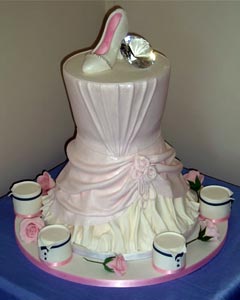
Bridal Shower Cakes — Fancy Cakes by Leslie DC MD VA wedding cakes Maryland Virginia Washington

The term bride appears in combination with many words, some of which are obsolete. Thus "bridegroom" is a newly married man, and "bride-bell," "bride-banquet" are old equivalents of wedding-bells, wedding-breakfast. "Bridal" (from Bride-ale), originally the wedding-feast itself, has grown into a general descriptive adjective, the bridal ceremony. The bride-cake had its origin in the Roman confarreatio, an upper-class form of marriage, the essential features of whose ceremony were the eating by the couple of a cake made of salt, water and spelt flour, and the holding by the bride of three wheat-ears, a symbol of plenty.
Bridal Shower Cakes Pictures Ideas
The cake-eating went out of fashion, but the wheat ears survived. In the Middle Ages they were either worn or carried by the bride. Eventually it became the custom for the young girls to assemble outside the church porch and throw grains of wheat over the bride, and afterwards a scramble for the grains took place. In time the wheat-grains came to be cooked into thin dry biscuits, which were broken over the bride's head, as is the custom in Scotland today, an oatmeal cake being used. In Elizabeth's reign these biscuits began to take the form of small rectangular cakes made of eggs, milk, sugar, currants and spices. Every wedding guest had one at least, and the whole collection were thrown at the bride the instant she crossed the threshold. Those that lighted on her head or shoulders were most prized by the scramblers. At last these cakes became amalgamated into a large one that took on its full glories of almond paste and ornaments during Charles II's time. But even today in rural parishes, e.g. north Notts, wheat is thrown over the bridal couple with the cry "Bread for life and pudding for ever," expressive of a wish that the newly wed may be always affluent. The throwing of rice, a very ancient custom but one later than the wheat, is symbolical of the wish that the bridal may be fruitful.

Bridal Shower Cakes Pictures Ideas
The bride-cup was the bowl or loving-cup in which the bridegroom pledged the bride, and she him. The custom of breaking this wine-cup, after the bridal couple had drained its contents, is common to both the Greek Christians and members of the Jewish faith. It is thrown against a wall or trodden under foot. The phrase "bride-cup" was also sometimes used of the bowl of spiced wine prepared at night for the bridal couple. Bride-favours, anciently called bride-lace, were at first pieces of gold, silk or other lace, used to bind up the sprigs of rosemary formerly worn at weddings. These took later the form of bunches of ribbons, which were at last metamorphosed into rosettes.
Hungarian bride's crate
Bridal Shower Cakes Pictures Ideas

The bride-wain, the wagon in which the bride was driven to her new home, gave its name to the weddings of any poor deserving couple, who drove a "wain" round the village, collecting small sums of money or articles of furniture towards their housekeeping. These were called bidding-weddings, or bid-ales, which were in the nature of "benefit" feasts. So general is still the custom of "bidding-weddings" in Wales, that printers usually keep the form of invitation in type. Sometimes as many as six hundred couples will walk in the bridal procession.
10 Pretty Bridal Shower Cakes Designs Ideas CAKE DESIGN AND DECORATING IDEAS

The bride's wreath is a Christian substitute for the gilt coronet all Jewish brides wore. The crowning of the bride is still observed by the Russians, and the Calvinists of Holland and Switzerland. The wearing of orange blossoms is said to have started with the Saracens, who regarded them as emblems of fecundity. It was introduced into Europe by the Crusaders. The bride's veil is the modern form of the flammeum or large yellow veil that completely enveloped the Greek and Roman brides during the ceremony. Such a covering is still in use among the Jews and the Persians.
Bridal Shower Cakes Silver Spring, MD Cakes by Chris Furin

Top 30 Country Wedding Ideas and Wedding Invitations for Fall 2015 - Elegantweddinginvites.com Blog
[IMAGE1]
In Europe and North America, the typical attire for a bride is a formal dress and a veil. Usually, in the "white wedding" model, the bride's dress is bought specifically for the wedding, and is not in a style that could be worn for any subsequent events. Previously, until at least the middle of the 19th century, the bride generally wore her best dress, whatever color it was, or if the bride was well-off, she ordered a new dress in her favorite color and expected to wear it again.
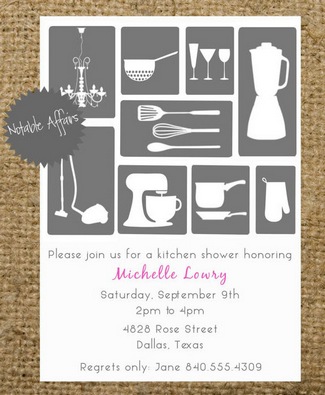
13 Bridal Shower Invite Ideas
For first marriages in Western countries, a white wedding dress is usually worn, a tradition started by Queen Victoria, who wore a white court dress for her wedding. Through the earlier parts of the 20th century, Western etiquette prescribed that a white dress should not be worn for subsequent marriages, since the wearing of white was mistakenly regarded by some as an ancient symbol of virginity, despite the fact that wearing white is a fairly recent development in wedding traditions, and its origin has more to do with conspicuous consumption from an era when a white dress was luxurious, even prodigal, because of difficulties with laundering delicate clothes. Today, Western brides frequently wear white, cream, or ivory dresses for any number of marriages; the color of the dress is not a comment on the bride's sexual history. Outside of Western countries, brides most commonly wear national dress. White wedding dresses are particularly uncommon in Asian traditions, because white is the color of mourning and death in those cultures. In many Asian cultures, red is usual for brides, as this colour indicates vibrance and health and has over time been associated with brides. However, in modern times other colours may be worn, or Western styles preferred. Regardless of colour in most Asian cultures bridal clothes are highly decorative, often covered with embroidery, beading or gold. In some traditions brides may wear more than one outfit, this is true for example in Japan,[citation needed] parts of India, and, archaically, in parts of the Arab world.
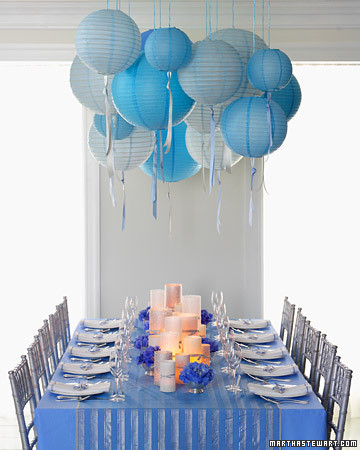
22 Blue Bridal Shower Ideas That are So Cool Martha Stewart Weddings
Particular styles of jewelry are often associated with bridal wear, for example wedding rings in most Western cultures, or chura (red and white bangles) in Punjabi Sikh culture. Hindu brides are presented with a mangalsutra during the wedding ceremony, which has much of the same significance as a wedding ring in other parts of the world. Wedding jewellery has traditionally been used to demonstrate the value of the bride's dowry.
In addition to the gown, brides often wear a veil and carry a bouquet of flowers, a small heirloom such as a lucky coin, a prayer book, or other token. In Western countries, a bride may wear "something old, something new, something borrowed, and something blue"; a bridal purse (or money bag) is also common.
Easy Diy wedding shower decorations projects ideas - YouTube

The term bride appears in combination with many words, some of which are obsolete. Thus "bridegroom" is a newly married man, and "bride-bell," "bride-banquet" are old equivalents of wedding-bells, wedding-breakfast. "Bridal" (from Bride-ale), originally the wedding-feast itself, has grown into a general descriptive adjective, the bridal ceremony. The bride-cake had its origin in the Roman confarreatio, an upper-class form of marriage, the essential features of whose ceremony were the eating by the couple of a cake made of salt, water and spelt flour, and the holding by the bride of three wheat-ears, a symbol of plenty.
Spring bridal shower ideas on a budget, cute easy finger foods & fun game
The cake-eating went out of fashion, but the wheat ears survived. In the Middle Ages they were either worn or carried by the bride. Eventually it became the custom for the young girls to assemble outside the church porch and throw grains of wheat over the bride, and afterwards a scramble for the grains took place. In time the wheat-grains came to be cooked into thin dry biscuits, which were broken over the bride's head, as is the custom in Scotland today, an oatmeal cake being used. In Elizabeth's reign these biscuits began to take the form of small rectangular cakes made of eggs, milk, sugar, currants and spices. Every wedding guest had one at least, and the whole collection were thrown at the bride the instant she crossed the threshold. Those that lighted on her head or shoulders were most prized by the scramblers. At last these cakes became amalgamated into a large one that took on its full glories of almond paste and ornaments during Charles II's time. But even today in rural parishes, e.g. north Notts, wheat is thrown over the bridal couple with the cry "Bread for life and pudding for ever," expressive of a wish that the newly wed may be always affluent. The throwing of rice, a very ancient custom but one later than the wheat, is symbolical of the wish that the bridal may be fruitful.

Great Bridal Shower Table Decorations That All People Will Remember Marina Gallery Fine art
The bride-cup was the bowl or loving-cup in which the bridegroom pledged the bride, and she him. The custom of breaking this wine-cup, after the bridal couple had drained its contents, is common to both the Greek Christians and members of the Jewish faith. It is thrown against a wall or trodden under foot. The phrase "bride-cup" was also sometimes used of the bowl of spiced wine prepared at night for the bridal couple. Bride-favours, anciently called bride-lace, were at first pieces of gold, silk or other lace, used to bind up the sprigs of rosemary formerly worn at weddings. These took later the form of bunches of ribbons, which were at last metamorphosed into rosettes.
Hungarian bride's crate
Unique Bridal Shower Themes Bridal Shower 101

The bride-wain, the wagon in which the bride was driven to her new home, gave its name to the weddings of any poor deserving couple, who drove a "wain" round the village, collecting small sums of money or articles of furniture towards their housekeeping. These were called bidding-weddings, or bid-ales, which were in the nature of "benefit" feasts. So general is still the custom of "bidding-weddings" in Wales, that printers usually keep the form of invitation in type. Sometimes as many as six hundred couples will walk in the bridal procession.

Unique and Meaningful Bridal Shower Games Ideas Made by the Host Marina Gallery Fine art
The bride's wreath is a Christian substitute for the gilt coronet all Jewish brides wore. The crowning of the bride is still observed by the Russians, and the Calvinists of Holland and Switzerland. The wearing of orange blossoms is said to have started with the Saracens, who regarded them as emblems of fecundity. It was introduced into Europe by the Crusaders. The bride's veil is the modern form of the flammeum or large yellow veil that completely enveloped the Greek and Roman brides during the ceremony. Such a covering is still in use among the Jews and the Persians.

Top 30 Country Wedding Ideas and Wedding Invitations for Fall 2015 - Elegantweddinginvites.com Blog
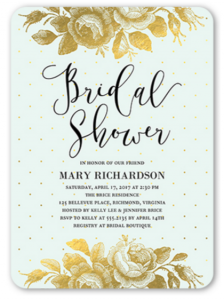
Pretty Bridal Shower Invitation Templates & Theme Inspiration
[IMAGE1]
In Europe and North America, the typical attire for a bride is a formal dress and a veil. Usually, in the "white wedding" model, the bride's dress is bought specifically for the wedding, and is not in a style that could be worn for any subsequent events. Previously, until at least the middle of the 19th century, the bride generally wore her best dress, whatever color it was, or if the bride was well-off, she ordered a new dress in her favorite color and expected to wear it again.
13 Bridal Shower Invite Ideas
For first marriages in Western countries, a white wedding dress is usually worn, a tradition started by Queen Victoria, who wore a white court dress for her wedding. Through the earlier parts of the 20th century, Western etiquette prescribed that a white dress should not be worn for subsequent marriages, since the wearing of white was mistakenly regarded by some as an ancient symbol of virginity, despite the fact that wearing white is a fairly recent development in wedding traditions, and its origin has more to do with conspicuous consumption from an era when a white dress was luxurious, even prodigal, because of difficulties with laundering delicate clothes. Today, Western brides frequently wear white, cream, or ivory dresses for any number of marriages; the color of the dress is not a comment on the bride's sexual history. Outside of Western countries, brides most commonly wear national dress. White wedding dresses are particularly uncommon in Asian traditions, because white is the color of mourning and death in those cultures. In many Asian cultures, red is usual for brides, as this colour indicates vibrance and health and has over time been associated with brides. However, in modern times other colours may be worn, or Western styles preferred. Regardless of colour in most Asian cultures bridal clothes are highly decorative, often covered with embroidery, beading or gold. In some traditions brides may wear more than one outfit, this is true for example in Japan,[citation needed] parts of India, and, archaically, in parts of the Arab world.
Top 10 Bridal Shower Ideas

Particular styles of jewelry are often associated with bridal wear, for example wedding rings in most Western cultures, or chura (red and white bangles) in Punjabi Sikh culture. Hindu brides are presented with a mangalsutra during the wedding ceremony, which has much of the same significance as a wedding ring in other parts of the world. Wedding jewellery has traditionally been used to demonstrate the value of the bride's dowry.
In addition to the gown, brides often wear a veil and carry a bouquet of flowers, a small heirloom such as a lucky coin, a prayer book, or other token. In Western countries, a bride may wear "something old, something new, something borrowed, and something blue"; a bridal purse (or money bag) is also common.
25 Unique Bridal Shower Games That Aren't Lame - Fun Ideas for Bridal Shower Activities

The term bride appears in combination with many words, some of which are obsolete. Thus "bridegroom" is a newly married man, and "bride-bell," "bride-banquet" are old equivalents of wedding-bells, wedding-breakfast. "Bridal" (from Bride-ale), originally the wedding-feast itself, has grown into a general descriptive adjective, the bridal ceremony. The bride-cake had its origin in the Roman confarreatio, an upper-class form of marriage, the essential features of whose ceremony were the eating by the couple of a cake made of salt, water and spelt flour, and the holding by the bride of three wheat-ears, a symbol of plenty.
Free Printable Bridal Shower Invitation Templates - Business Card - Website & Printable Templates

The cake-eating went out of fashion, but the wheat ears survived. In the Middle Ages they were either worn or carried by the bride. Eventually it became the custom for the young girls to assemble outside the church porch and throw grains of wheat over the bride, and afterwards a scramble for the grains took place. In time the wheat-grains came to be cooked into thin dry biscuits, which were broken over the bride's head, as is the custom in Scotland today, an oatmeal cake being used. In Elizabeth's reign these biscuits began to take the form of small rectangular cakes made of eggs, milk, sugar, currants and spices. Every wedding guest had one at least, and the whole collection were thrown at the bride the instant she crossed the threshold. Those that lighted on her head or shoulders were most prized by the scramblers. At last these cakes became amalgamated into a large one that took on its full glories of almond paste and ornaments during Charles II's time. But even today in rural parishes, e.g. north Notts, wheat is thrown over the bridal couple with the cry "Bread for life and pudding for ever," expressive of a wish that the newly wed may be always affluent. The throwing of rice, a very ancient custom but one later than the wheat, is symbolical of the wish that the bridal may be fruitful.
Bridal Shower Themes
The bride-cup was the bowl or loving-cup in which the bridegroom pledged the bride, and she him. The custom of breaking this wine-cup, after the bridal couple had drained its contents, is common to both the Greek Christians and members of the Jewish faith. It is thrown against a wall or trodden under foot. The phrase "bride-cup" was also sometimes used of the bowl of spiced wine prepared at night for the bridal couple. Bride-favours, anciently called bride-lace, were at first pieces of gold, silk or other lace, used to bind up the sprigs of rosemary formerly worn at weddings. These took later the form of bunches of ribbons, which were at last metamorphosed into rosettes.
Hungarian bride's crate
Pretty Bridal Shower Invitation Templates & Theme Inspiration

The bride-wain, the wagon in which the bride was driven to her new home, gave its name to the weddings of any poor deserving couple, who drove a "wain" round the village, collecting small sums of money or articles of furniture towards their housekeeping. These were called bidding-weddings, or bid-ales, which were in the nature of "benefit" feasts. So general is still the custom of "bidding-weddings" in Wales, that printers usually keep the form of invitation in type. Sometimes as many as six hundred couples will walk in the bridal procession.
Easy Diy wedding shower decorations projects ideas - YouTube
The bride's wreath is a Christian substitute for the gilt coronet all Jewish brides wore. The crowning of the bride is still observed by the Russians, and the Calvinists of Holland and Switzerland. The wearing of orange blossoms is said to have started with the Saracens, who regarded them as emblems of fecundity. It was introduced into Europe by the Crusaders. The bride's veil is the modern form of the flammeum or large yellow veil that completely enveloped the Greek and Roman brides during the ceremony. Such a covering is still in use among the Jews and the Persians.
Pretty Bridal Shower Invitation Templates & Theme Inspiration

Oh One Fine Day: Beautiful Bridal Shower Ideas.
[IMAGE1]
In Europe and North America, the typical attire for a bride is a formal dress and a veil. Usually, in the "white wedding" model, the bride's dress is bought specifically for the wedding, and is not in a style that could be worn for any subsequent events. Previously, until at least the middle of the 19th century, the bride generally wore her best dress, whatever color it was, or if the bride was well-off, she ordered a new dress in her favorite color and expected to wear it again.
Bridal Shower Ideas for a couples bridal shower

For first marriages in Western countries, a white wedding dress is usually worn, a tradition started by Queen Victoria, who wore a white court dress for her wedding. Through the earlier parts of the 20th century, Western etiquette prescribed that a white dress should not be worn for subsequent marriages, since the wearing of white was mistakenly regarded by some as an ancient symbol of virginity, despite the fact that wearing white is a fairly recent development in wedding traditions, and its origin has more to do with conspicuous consumption from an era when a white dress was luxurious, even prodigal, because of difficulties with laundering delicate clothes. Today, Western brides frequently wear white, cream, or ivory dresses for any number of marriages; the color of the dress is not a comment on the bride's sexual history. Outside of Western countries, brides most commonly wear national dress. White wedding dresses are particularly uncommon in Asian traditions, because white is the color of mourning and death in those cultures. In many Asian cultures, red is usual for brides, as this colour indicates vibrance and health and has over time been associated with brides. However, in modern times other colours may be worn, or Western styles preferred. Regardless of colour in most Asian cultures bridal clothes are highly decorative, often covered with embroidery, beading or gold. In some traditions brides may wear more than one outfit, this is true for example in Japan,[citation needed] parts of India, and, archaically, in parts of the Arab world.
Ideas for your fall bridal shower

Particular styles of jewelry are often associated with bridal wear, for example wedding rings in most Western cultures, or chura (red and white bangles) in Punjabi Sikh culture. Hindu brides are presented with a mangalsutra during the wedding ceremony, which has much of the same significance as a wedding ring in other parts of the world. Wedding jewellery has traditionally been used to demonstrate the value of the bride's dowry.
In addition to the gown, brides often wear a veil and carry a bouquet of flowers, a small heirloom such as a lucky coin, a prayer book, or other token. In Western countries, a bride may wear "something old, something new, something borrowed, and something blue"; a bridal purse (or money bag) is also common.
Unique Bridal Shower Themes Bridal Shower 101
The term bride appears in combination with many words, some of which are obsolete. Thus "bridegroom" is a newly married man, and "bride-bell," "bride-banquet" are old equivalents of wedding-bells, wedding-breakfast. "Bridal" (from Bride-ale), originally the wedding-feast itself, has grown into a general descriptive adjective, the bridal ceremony. The bride-cake had its origin in the Roman confarreatio, an upper-class form of marriage, the essential features of whose ceremony were the eating by the couple of a cake made of salt, water and spelt flour, and the holding by the bride of three wheat-ears, a symbol of plenty.
10 Best Bridal Shower Ideas - Savvy Nana
The cake-eating went out of fashion, but the wheat ears survived. In the Middle Ages they were either worn or carried by the bride. Eventually it became the custom for the young girls to assemble outside the church porch and throw grains of wheat over the bride, and afterwards a scramble for the grains took place. In time the wheat-grains came to be cooked into thin dry biscuits, which were broken over the bride's head, as is the custom in Scotland today, an oatmeal cake being used. In Elizabeth's reign these biscuits began to take the form of small rectangular cakes made of eggs, milk, sugar, currants and spices. Every wedding guest had one at least, and the whole collection were thrown at the bride the instant she crossed the threshold. Those that lighted on her head or shoulders were most prized by the scramblers. At last these cakes became amalgamated into a large one that took on its full glories of almond paste and ornaments during Charles II's time. But even today in rural parishes, e.g. north Notts, wheat is thrown over the bridal couple with the cry "Bread for life and pudding for ever," expressive of a wish that the newly wed may be always affluent. The throwing of rice, a very ancient custom but one later than the wheat, is symbolical of the wish that the bridal may be fruitful.

Oh One Fine Day: Beautiful Bridal Shower Ideas.

The bride-cup was the bowl or loving-cup in which the bridegroom pledged the bride, and she him. The custom of breaking this wine-cup, after the bridal couple had drained its contents, is common to both the Greek Christians and members of the Jewish faith. It is thrown against a wall or trodden under foot. The phrase "bride-cup" was also sometimes used of the bowl of spiced wine prepared at night for the bridal couple. Bride-favours, anciently called bride-lace, were at first pieces of gold, silk or other lace, used to bind up the sprigs of rosemary formerly worn at weddings. These took later the form of bunches of ribbons, which were at last metamorphosed into rosettes.
Hungarian bride's crate
Ideas for your fall bridal shower
The bride-wain, the wagon in which the bride was driven to her new home, gave its name to the weddings of any poor deserving couple, who drove a "wain" round the village, collecting small sums of money or articles of furniture towards their housekeeping. These were called bidding-weddings, or bid-ales, which were in the nature of "benefit" feasts. So general is still the custom of "bidding-weddings" in Wales, that printers usually keep the form of invitation in type. Sometimes as many as six hundred couples will walk in the bridal procession.
Bridal Shower Ideas
The bride's wreath is a Christian substitute for the gilt coronet all Jewish brides wore. The crowning of the bride is still observed by the Russians, and the Calvinists of Holland and Switzerland. The wearing of orange blossoms is said to have started with the Saracens, who regarded them as emblems of fecundity. It was introduced into Europe by the Crusaders. The bride's veil is the modern form of the flammeum or large yellow veil that completely enveloped the Greek and Roman brides during the ceremony. Such a covering is still in use among the Jews and the Persians.

Oh One Fine Day: Beautiful Bridal Shower Ideas.

2011 Internship Design Work on Behance
[IMAGE1]
In Europe and North America, the typical attire for a bride is a formal dress and a veil. Usually, in the "white wedding" model, the bride's dress is bought specifically for the wedding, and is not in a style that could be worn for any subsequent events. Previously, until at least the middle of the 19th century, the bride generally wore her best dress, whatever color it was, or if the bride was well-off, she ordered a new dress in her favorite color and expected to wear it again.
43 Best Trendy Bridal Dresses images Dresses, Bridal dresses, Indian outfits

For first marriages in Western countries, a white wedding dress is usually worn, a tradition started by Queen Victoria, who wore a white court dress for her wedding. Through the earlier parts of the 20th century, Western etiquette prescribed that a white dress should not be worn for subsequent marriages, since the wearing of white was mistakenly regarded by some as an ancient symbol of virginity, despite the fact that wearing white is a fairly recent development in wedding traditions, and its origin has more to do with conspicuous consumption from an era when a white dress was luxurious, even prodigal, because of difficulties with laundering delicate clothes. Today, Western brides frequently wear white, cream, or ivory dresses for any number of marriages; the color of the dress is not a comment on the bride's sexual history. Outside of Western countries, brides most commonly wear national dress. White wedding dresses are particularly uncommon in Asian traditions, because white is the color of mourning and death in those cultures. In many Asian cultures, red is usual for brides, as this colour indicates vibrance and health and has over time been associated with brides. However, in modern times other colours may be worn, or Western styles preferred. Regardless of colour in most Asian cultures bridal clothes are highly decorative, often covered with embroidery, beading or gold. In some traditions brides may wear more than one outfit, this is true for example in Japan,[citation needed] parts of India, and, archaically, in parts of the Arab world.
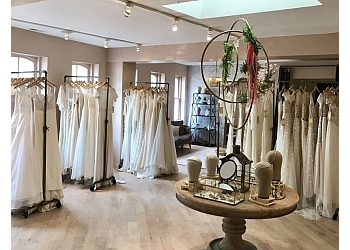
3 Best Bridal Shops in Washington, DC - Expert Recommendations
Particular styles of jewelry are often associated with bridal wear, for example wedding rings in most Western cultures, or chura (red and white bangles) in Punjabi Sikh culture. Hindu brides are presented with a mangalsutra during the wedding ceremony, which has much of the same significance as a wedding ring in other parts of the world. Wedding jewellery has traditionally been used to demonstrate the value of the bride's dowry.
In addition to the gown, brides often wear a veil and carry a bouquet of flowers, a small heirloom such as a lucky coin, a prayer book, or other token. In Western countries, a bride may wear "something old, something new, something borrowed, and something blue"; a bridal purse (or money bag) is also common.
Rossetti Costumes & Bridal Gowns - Ivory lace Victorian Court Dress in 2020 Costume design

The term bride appears in combination with many words, some of which are obsolete. Thus "bridegroom" is a newly married man, and "bride-bell," "bride-banquet" are old equivalents of wedding-bells, wedding-breakfast. "Bridal" (from Bride-ale), originally the wedding-feast itself, has grown into a general descriptive adjective, the bridal ceremony. The bride-cake had its origin in the Roman confarreatio, an upper-class form of marriage, the essential features of whose ceremony were the eating by the couple of a cake made of salt, water and spelt flour, and the holding by the bride of three wheat-ears, a symbol of plenty.
My cousin's wife did the most amazing job of creating my Vintage Glamour wedding theme, especial

The cake-eating went out of fashion, but the wheat ears survived. In the Middle Ages they were either worn or carried by the bride. Eventually it became the custom for the young girls to assemble outside the church porch and throw grains of wheat over the bride, and afterwards a scramble for the grains took place. In time the wheat-grains came to be cooked into thin dry biscuits, which were broken over the bride's head, as is the custom in Scotland today, an oatmeal cake being used. In Elizabeth's reign these biscuits began to take the form of small rectangular cakes made of eggs, milk, sugar, currants and spices. Every wedding guest had one at least, and the whole collection were thrown at the bride the instant she crossed the threshold. Those that lighted on her head or shoulders were most prized by the scramblers. At last these cakes became amalgamated into a large one that took on its full glories of almond paste and ornaments during Charles II's time. But even today in rural parishes, e.g. north Notts, wheat is thrown over the bridal couple with the cry "Bread for life and pudding for ever," expressive of a wish that the newly wed may be always affluent. The throwing of rice, a very ancient custom but one later than the wheat, is symbolical of the wish that the bridal may be fruitful.
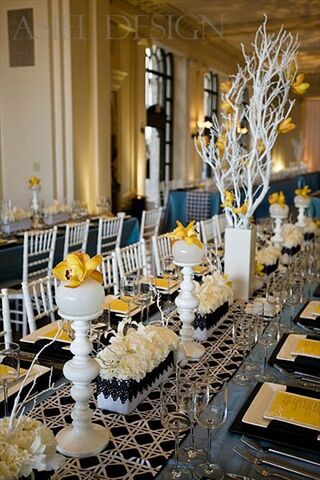
Asiel Design Florists - San Jose, CA
The bride-cup was the bowl or loving-cup in which the bridegroom pledged the bride, and she him. The custom of breaking this wine-cup, after the bridal couple had drained its contents, is common to both the Greek Christians and members of the Jewish faith. It is thrown against a wall or trodden under foot. The phrase "bride-cup" was also sometimes used of the bowl of spiced wine prepared at night for the bridal couple. Bride-favours, anciently called bride-lace, were at first pieces of gold, silk or other lace, used to bind up the sprigs of rosemary formerly worn at weddings. These took later the form of bunches of ribbons, which were at last metamorphosed into rosettes.
Hungarian bride's crate
12 Best Boutique Layout Floor Plans images in 2018 Floor plans, Store design, Store layout

The bride-wain, the wagon in which the bride was driven to her new home, gave its name to the weddings of any poor deserving couple, who drove a "wain" round the village, collecting small sums of money or articles of furniture towards their housekeeping. These were called bidding-weddings, or bid-ales, which were in the nature of "benefit" feasts. So general is still the custom of "bidding-weddings" in Wales, that printers usually keep the form of invitation in type. Sometimes as many as six hundred couples will walk in the bridal procession.
Bridal Room Johannesburg (Sandton, South Africa)
The bride's wreath is a Christian substitute for the gilt coronet all Jewish brides wore. The crowning of the bride is still observed by the Russians, and the Calvinists of Holland and Switzerland. The wearing of orange blossoms is said to have started with the Saracens, who regarded them as emblems of fecundity. It was introduced into Europe by the Crusaders. The bride's veil is the modern form of the flammeum or large yellow veil that completely enveloped the Greek and Roman brides during the ceremony. Such a covering is still in use among the Jews and the Persians.


